Microbiome, News
The Microbiome, Fecal Transplants, and Postbiotics
FTM's, fecal microbiota transplants and postbiotics are the future of medicine
Dr. Tara Shelby ND, LM
The Microbiome, Fecal Transplants, and Postbiotics: Why I Believe They Are the Future of Medicine
“Once I got past the ‘ick factor,’ what unfolded was a profound reset—almost psychedelic in its clarity—that
changed my life.”
My Story: From “Ick” to Inspiration
I’ve personally undergone over 15 fecal microbiota transplants (FMTs) for recurrent Clostridioides difficile and
Crohn’s disease. The first time, I had to laugh at the sheer strangeness of it…medicine delivered through someone
else’s stool? But once I pushed through the initial discomfort, I experienced something transformative. Symptoms eased, my body recalibrated, and I felt like my health was being rewritten at the most fundamental level. It was almost psychedelic- like static-filled radio turning into a clear symphony. That experience changed my health and ignited my fascination with the microbiome.
The Microbiome: Our Forgotten Organ
The gut microbiome is more than a cluster of microbes, it behaves like a hidden organ.
- Immune training: Gut bacteria “educate” the immune system to tolerate the friendly and fight the harmful.
- Metabolic regulation: They influence insulin sensitivity, blood sugar, and weight management.
- Neurological balance: Microbial metabolites shape neurotransmitter production, mood, and cognition.
- Barrier integrity: They protect the gut lining, preventing inflammation and systemic “leakage.” When this ecosystem is balanced (eubiosis), health flourishes.
When disrupted (dysbiosis), we see everything from digestive issues to autoimmune conditions, obesity, depression, and even neurodegeneration.
Did you know? The microbiome produces thousands of metabolites that travel through the bloodstream, signaling to distant organs like the brain, liver, and skin.
FMT: Resetting the System
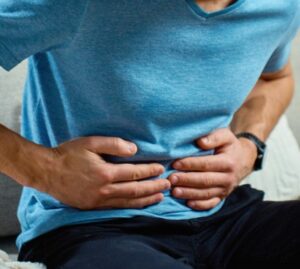
FMT is the process of restoring microbial balance by introducing stool from a healthy donor into someone with
dysbiosis.
- C. diff infection: 80–90% cure rates, far higher than antibiotics.
- IBD: Multiple trials show FMT can induce remission in ulcerative colitis, and some Crohn’s patients achieve remarkable improvement.
- Metabolic & liver health: Lean-donor FMT improves insulin sensitivity and slows fatty liver progression.
- Neurology & psychiatry: Early trials show benefits for autism, depression, and Parkinson’s disease.
- Antibiotic resistance: FMT reduces multidrug-resistant infections by recolonizing the gut with protective microbes.
I experienced firsthand how FMT didn’t just manage my infections…it shifted my Crohn’s disease toward
remission in a way years of conventional treatment could not.
Postbiotics: Beyond the Bugs
Science is now showing that it may not be the microbes themselves that matter most, but their products. These
microbial metabolites, called postbiotics, include:
- Butyrate, which calms inflammation and heals the gut lining.
- Microbial peptides, like those from Faecalibacterium prausnitzii, which modulate immune activity.
- Secondary bile acids, which inhibit harmful bacteria like C. diff and regulate metabolism.
Even sterile stool filtrates without any live bacteria…have cured C. diff. That means the healing power often lies
in the chemical “language” microbes use to communicate with our bodies.
Returning to Elemental Roots
I am drawn to this field because it reconnects medicine with its origins: food, environment, and community. Our hunter-gatherer ancestors ate 100–150 grams of fiber a day, nurturing hundreds more microbial species than
the average American gut today. Over generations, we’ve lost that diversity and with it, resilience. By restoring
microbial balance through FMT, targeted probiotics, and postbiotics, we can turn the tide on chronic disease.
As a clinician, I see patients daily who are stuck in management mode with conventional medicine. The microbiome offers more than management, it offers restoration. It turns the gut back into what it was always meant to be: a vitamin factory, an immune teacher, and a metabolic stabilizer.
Sidebar: Fun Microbiome Facts
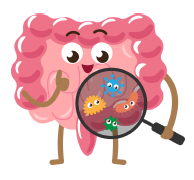
- Vitamin factory: Up to half of your daily vitamin K comes from gut microbes.
- Mood matters: Certain gut bacteria produce serotonin, the “feel good” neurotransmitter.
- Microbial gap: Hunter-gatherers carry ~730 microbial species. The average American has ~277.
- Microbial resilience: If one beneficial bug disappears, others often step in- it’s a natural “insurance policy.”
The Future of Medicine
What excites me is the scale of impact. The microbiome influences nearly every system in the body. Unlike
single-target drugs, FMT and postbiotics restore complex networks, bringing resilience back online. Of course, questions remain: Which patients will respond best? Which microbial guilds matter most? How do we ensure safety and access? But the shift from “who is there” to “what they do” is already transforming research and clinical care.
For me, this is more than science…it’s lived experience. I’ve felt the transformation in my own health, and I’ve seen the spark of healing in my patients. The microbiome is not just fascinating; it’s rewriting the story of medicine itself.
Once you get past the “ick factor,” you discover something extraordinary: our gut microbes may hold the key to
restoring balance in both body and mind.
* This post was originally printed in the Village Medicine Seattle’s Wellness Quarterly Magazine, 4Q25 Edition. Read and download the full publication

In Gratitude
Dr. Tara Johnie Shelby
Naturopathic Physician
Founder & CEO, Village Medicine