
Gut Health, News
Is Your Gut "Overreacting"? Understanding Histamine, MCAS, and the Post-COVID Connection
The cells that release histamine live everywhere, from your nose to your gut. When they become "hyper-reactive," the symptoms can show up in surprising ways
Dr. Misty Story, ND
At Village Medicine, we are seeing a significant rise in patients struggling with complex “histamine” issues. Whether you’ve heard of Mast Cell Activation Syndrome (MCAS) or you’re just tired of feeling itchy, anxious, and bloated, we want to help you connect the dots.
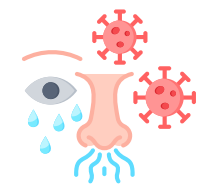
The Clues: It’s More Than Just a Stuffy Nose
Most people think of histamine as the reason for seasonal sniffles. But mast cells—the cells that release histamine—live everywhere, from your nose to your gut. When they become “hyper-reactive,” the symptoms can show up in surprising ways:
- Digestive: Chronic bloating, gas, and loose stools (or persistent SIBO).
- Skin & Mouth: Rashes, hives, itchy ears, or an itchy throat after eating.
- Respiratory: A chronic cough or post-nasal drip that never goes away.
- Neurological: Sudden spikes in anxiety, panic attacks, or “brain fog.”
- Structural: Heart palpitations, fainting (vasovagal episodes), or feeling “extra flexible” (hypermobility/EDS).

The “Bucket” Theory: Why Now?
Think of your body’s ability to handle histamine like a bucket. Your liver and gut work to “empty” that bucket every day. However, the bucket can overflow if:
Too much is going in: High-histamine foods or improperly stored leftovers (histamine levels actually increase in food the longer it sits in
the fridge!).
The drain is clogged: Genetic factors, hormone imbalances, or a lack of healthy gut bacteria (dysbiosis) slow down detoxification. The system is stressed: We are finding that Post-COVID Syndrome acts like a “reset” for the immune system, often leaving mast cells in a state of high alert and causing the bucket to overflow constantly.
A New Approach To Healing
At Village Medicine, we don’t believe in endless restrictive diets or repetitive treatments that don’t stick. We look at the whole person through a three-step lens:
1. Calming the Storm
Before we dive into deep gut repair, we have to lower the “heat.” This often involves using antihistamines or mast cell stabilizers to give your nervous system a break and stop the immediate symptoms like itching and anxiety.
2. Cleaning the House (The Microbiome)
We investigate the “why.” Is there an overgrowth like SIBO? Is your microbiome “extinct” of the good bugs that signal your organs to function? Using advanced testing, like the IBS Smart Test, we can see if your body is actually making antibodies against its own gut lining.
3. Advanced Recovery (TPE)
For our most complex cases—those who have suffered for years or are struggling with severe Post-COVID symptoms—we discuss advanced options like

Therapeutic Plasma Exchange (TPE). This helps “clear the slate” of the antibodies and inflammatory markers that keep the body stuck in a cycle of illness.
A Note on Food Fear: Many of our patients come to us afraid to eat more than five things. We want to move you away from food fear. Often, it isn’t the food itself, but how it’s prepped or how full your “histamine bucket” is that day.
We’re Here to Listen
If your identity has become your diagnosis, it’s time for a different conversation. Whether it’s connecting the dots between your hypermobility and your gut, or finally addressing the anxiety that won’t quit, we’re ready to help you get your life back. Are you ready to empty your bucket?
* This post was originally printed in the Village Medicine Seattle’s Wellness Quarterly Magazine, 2Q26 Edition. Read and download the full publication

About The Author
Dr. Misty Story, ND is a Digestive health, SIBO, IBD, IBS, GERD/reflux specialist at Village Medicine Seattle. Her goal is to assist patients in their journey through education, encouragement and continued research as her first Naturopathic Doctor did for her. Learn more about Misty